PCOS and Pregnancy: How PCOS Affects Ovulation, Fertility and Your Chances of Conceiving
Irregular periods with PCOS usually mean irregular ovulation, and that's the main reason conception can take longer. Here's what helps, and what to expect in pregnancy.
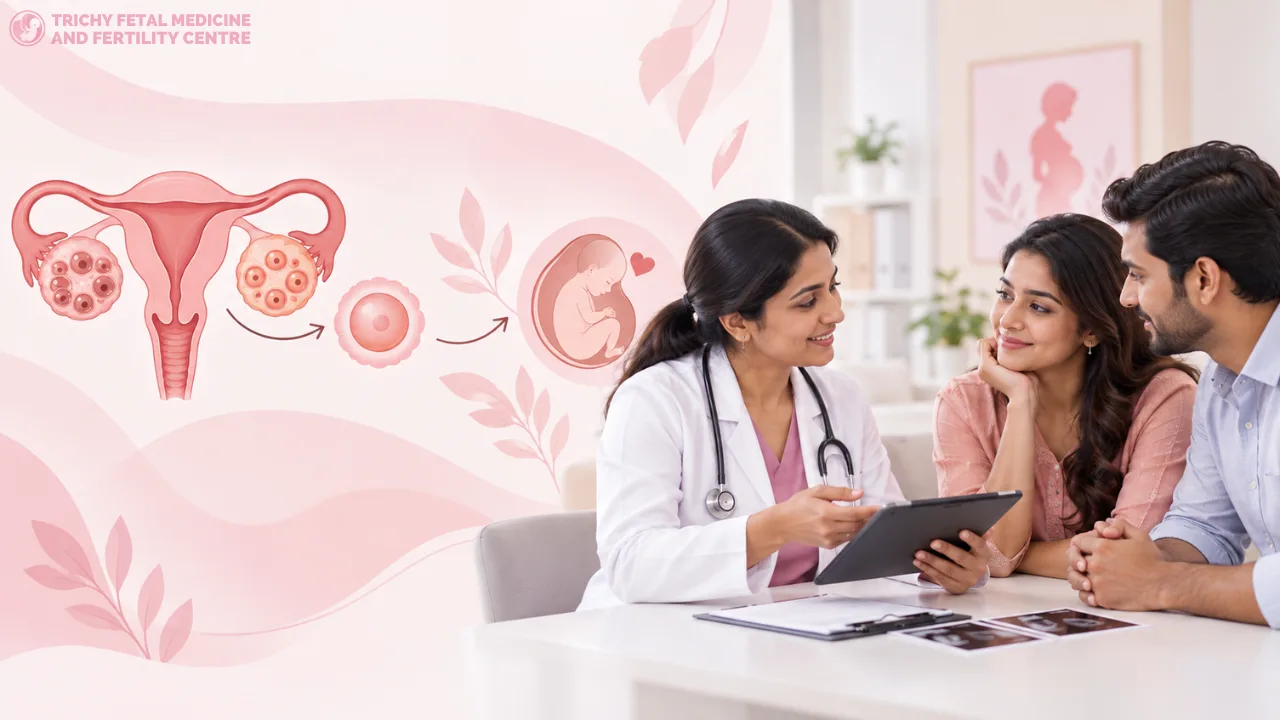
PCOS (polycystic ovary syndrome) is a hormonal condition, and for women trying to conceive its biggest effect is on ovulation. If you ovulate only now and then, you get fewer chances to become pregnant each year. That's usually why it takes longer, and it's also why treatment for PCOS-related infertility often works well once ovulation is back on track.
Below, we go through how PCOS changes the menstrual cycle, which tests your doctor may suggest, the treatment options available, and why pregnancy with PCOS is sometimes monitored a little more closely.
What is PCOS?
PCOS is a common condition in which hormone imbalances affect how the ovaries work. It often shows up as irregular periods, acne or extra facial hair, though it looks different from one woman to the next.
The name is a bit misleading. Those "cysts" seen on ultrasound are small follicles, which are egg sacs that started growing and then stalled before an egg was released. They aren't harmful and don't need to be removed.
How do doctors diagnose PCOS?
An adult woman is usually diagnosed with PCOS when she has at least two of three features. The first is irregular or absent ovulation, which most women notice as irregular or missed periods. The second is higher levels of androgens, the hormones behind excess hair growth and acne, either visible on the skin or measured in a blood test. The third is a particular appearance of the ovaries on ultrasound. Under the 2023 international guideline, a raised AMH blood test can now be used in adults instead of the scan for that third feature.
Other conditions can look similar. Thyroid problems and high prolactin, for example, also disturb periods, so your doctor will usually test for these before settling on a PCOS diagnosis.
Teenagers are a separate case. Irregular cycles are common in the first few years after periods begin, so doctors are more cautious about diagnosing PCOS at that age.
Does PCOS affect every woman the same way?
It doesn't. One woman may go months without a period but have clear skin. Another has regular cycles and troublesome acne. Some women with PCOS have insulin resistance or find weight hard to manage, and plenty don't. So fertility plans have to be built around the woman in front of the doctor, not around the label.
How does PCOS affect ovulation?
In a regular cycle, one follicle takes the lead, matures and releases an egg roughly two weeks before the next period.
With PCOS, several follicles often begin growing at once and none of them quite gets there. No egg is released that month. Doctors call this anovulation, or oligo-ovulation when it happens only occasionally. The irregular periods that many women with PCOS have are a direct result.
Two things tend to be involved. Higher androgen levels can interrupt follicle development. And in women with insulin resistance, where the body needs more insulin than usual to keep blood sugar steady, the extra insulin can push the ovaries to make more androgens, which feeds back into the problem.
Can you still ovulate with PCOS?
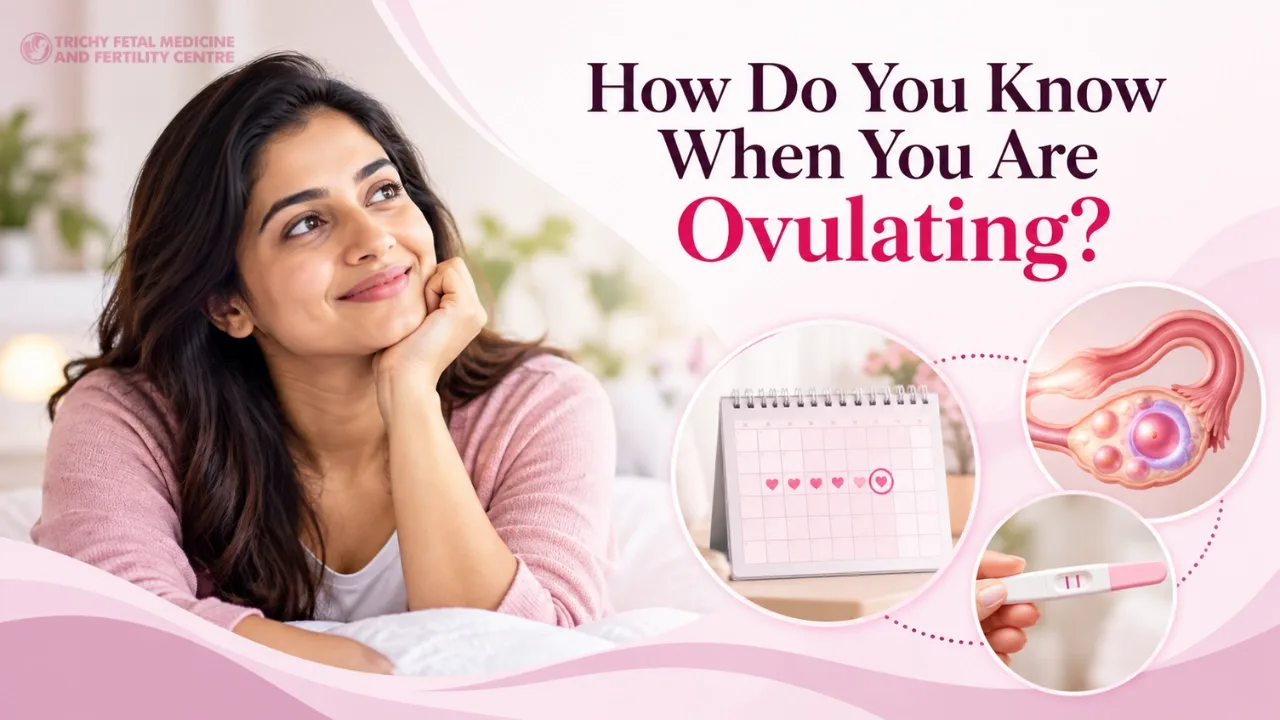
Yes, and many women do, just not every month. Someone whose cycles run 40 to 60 days is probably ovulating some of the time. The hard part is knowing when. Ovulation kits can help, though they're sometimes harder to read with PCOS because LH levels can run high. A progesterone blood test in the second half of a cycle, or follicle-tracking scans, give a clearer picture.
Can PCOS cause infertility?
PCOS is one of the most common reasons a woman doesn't ovulate regularly, and that can lead to infertility. But having PCOS doesn't make you infertile.
Think of it in terms of opportunities. Ovulate every month and you have about twelve chances a year to conceive. Ovulate every two or three months and you might have four to six. Restore regular ovulation and those chances go back up.
PCOS also isn't the only thing that matters. Your age, whether your fallopian tubes are open, the health of your uterus and your partner's sperm all play a part, as do blood sugar, thyroid function and weight. It's common to find more than one factor, which is why both partners get tested.
Can you get pregnant naturally with PCOS?
Many women with PCOS do, especially those who still ovulate some of the time. For some it happens within months. For others it takes longer, mostly because it's hard to pin down the fertile window when cycles are unpredictable.
If your periods are very far apart or have stopped altogether, it makes sense to see a doctor sooner rather than trying on your own for a year.
What tests are needed for PCOS-related infertility?
The first appointment usually has three aims: confirm it really is PCOS, check your general health before pregnancy, and look for any other fertility factor that treatment for PCOS won't fix.
For the woman, that typically means blood tests for thyroid function and prolactin, and sometimes FSH, LH and androgen levels. If you have some cycles, a mid-luteal progesterone test can confirm whether you ovulated. A pelvic ultrasound looks at the ovaries, the uterus and the lining of the womb. Because PCOS is linked with insulin resistance, most doctors will also check blood sugar with an HbA1c or a glucose tolerance test, along with blood pressure and weight.
Before certain treatments, your doctor may suggest a test to check whether your fallopian tubes are open. You'll also be offered routine pre-pregnancy checks such as rubella immunity.
For your partner, the key test is a semen analysis, which looks at sperm count, movement and shape. It's worth doing early. Months of ovulation treatment won't help much if there's also a sperm problem nobody has checked for.
Low AMH vs PCOS: what's the difference?
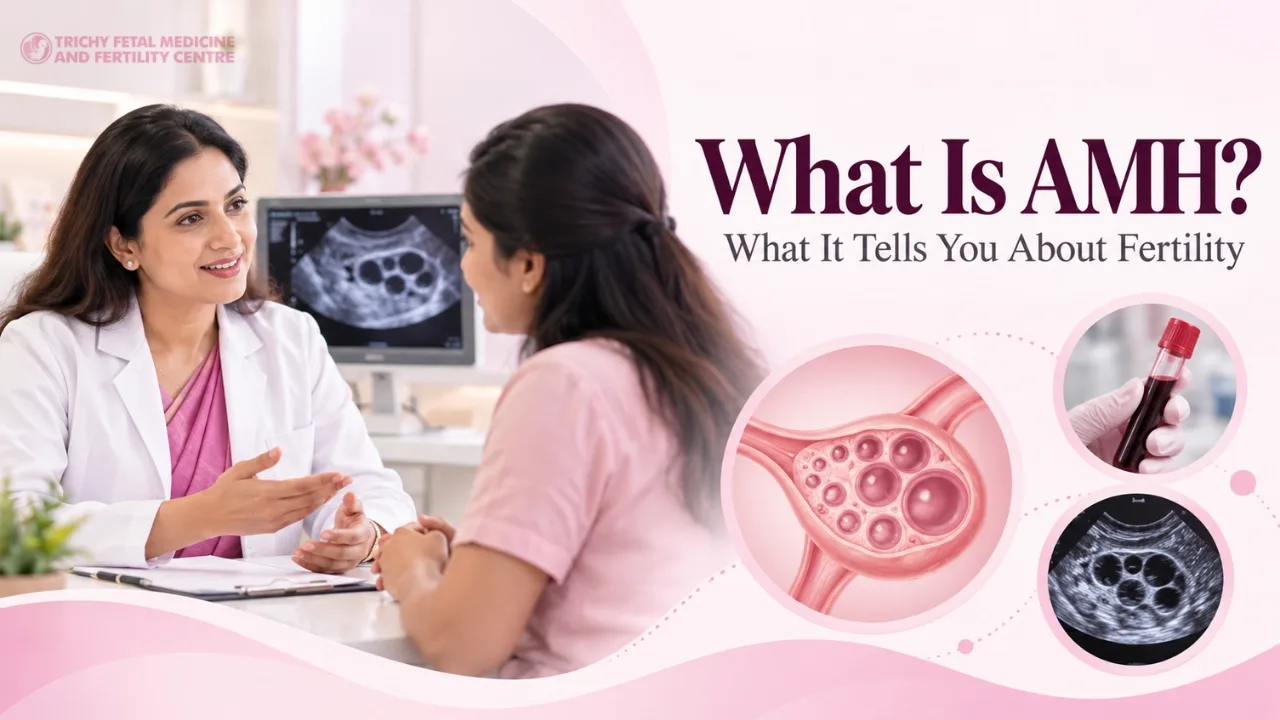
AMH is a hormone made by small follicles in the ovary, so it gives a rough idea of how many eggs remain. Doctors call this ovarian reserve.
Women with PCOS tend to have higher AMH, simply because they have more small follicles. Low AMH points the other way, towards a smaller egg reserve. The two are separate situations and are managed differently.
One point often gets misunderstood. AMH says nothing about egg quality, and on its own it isn't a good predictor of whether you'll conceive naturally. A high number doesn't make you more fertile, and a low number doesn't rule out natural pregnancy. Your doctor will read it alongside your age, cycle pattern and scan findings.
How is PCOS treated when you want to get pregnant?
The choice depends on whether you are ovulating, your age, your general health, how long you've been trying and what the other tests show. Doctors usually start with the simplest option likely to work and step up only if needed.
Lifestyle and metabolic health
If you're overweight, losing even a modest amount can bring back ovulation for some women. Regular activity, balanced meals and enough sleep also help blood sugar control and prepare the body for pregnancy.
PCOS itself can make weight harder to lose, so this isn't a matter of willpower. Small changes you can keep up tend to do more than strict diets, and a dietitian can help. If your weight is already in a healthy range, weight loss isn't part of the plan.
Start folic acid before you begin trying. Ask your doctor about the dose, as some women are advised to take a higher one.
Tablets to help you ovulate
Ovulation induction uses medicine to help a follicle mature and release an egg.
Letrozole is now the usual first choice for women with PCOS who aren't ovulating and have no other fertility problem. That's the recommendation of the 2023 international PCOS guideline. Clomiphene, sometimes combined with metformin, is an alternative.
Metformin works mainly on insulin resistance. It's sometimes added to treatment, but for most women it isn't a fertility drug in its own right.
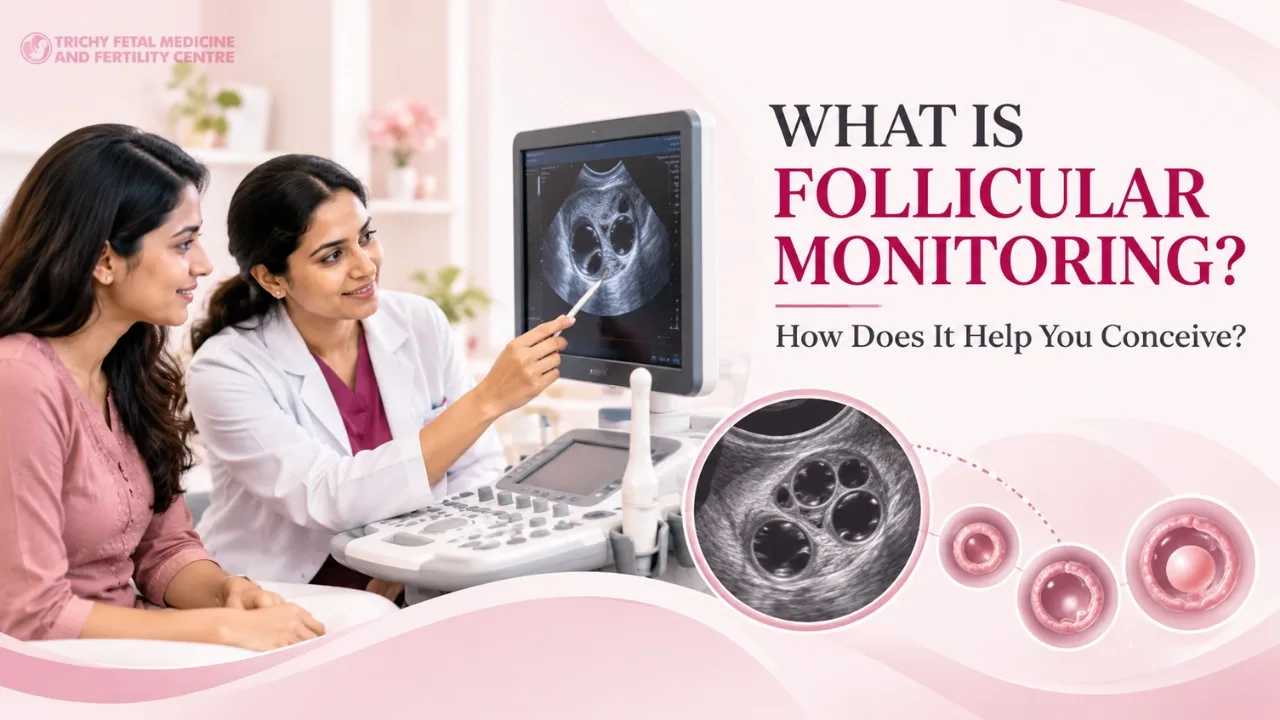
These tablets need medical supervision. Your doctor may track the response with follicular monitoring, a series of ultrasound scans that follow how the follicles grow, and use it to time intercourse or insemination.
If tablets don't work
Gonadotrophin injections stimulate the ovaries more directly. Women with PCOS can respond strongly to them, so close scan monitoring is essential. Another option for some women is laparoscopic ovarian drilling, a keyhole procedure on the ovaries.
IVF
IVF may come up if simpler treatments haven't worked, or if there's another factor such as blocked tubes or a significant sperm problem. With PCOS, stimulation doses are usually adjusted carefully because the ovaries can over-respond.
What are the risks of fertility treatment with PCOS?
The first is multiple pregnancy. Stimulated ovaries can release more than one egg, which raises the chance of twins or more. Monitoring scans help keep this in check.
The second is ovarian hyperstimulation syndrome, or OHSS, an over-reaction of the ovaries that's mostly seen with injections and IVF. Call your doctor promptly if you get severe tummy pain or bloating, keep vomiting, feel breathless, or are passing much less urine than usual during or after treatment.
Does PCOS affect pregnancy itself?
Most women with PCOS go on to have healthy pregnancies. Still, current international guidance treats PCOS as a condition that raises the chance of certain complications, so your care may look a little different.
The ones doctors watch for most are gestational diabetes (high blood sugar that starts in pregnancy), high blood pressure including pre-eclampsia, and preterm birth. In some pregnancies the baby's growth is also checked more closely.
A higher chance isn't a prediction. It's the reason for checking.
What extra monitoring might you have?
That depends on your health and history. Your obstetrician may test your blood sugar earlier than usual rather than waiting for the standard gestational diabetes screen. Blood pressure will be checked at each visit, and you may get advice about healthy weight gain. If there are concerns about the baby's growth, or other risk factors are present, you may be offered growth scans with Doppler, and sometimes a referral to a fetal medicine specialist for a closer look.
Twins conceived after fertility treatment are scanned more often. How often depends partly on chorionicity, meaning whether the twins share a placenta.
If you were on metformin before pregnancy, ask your doctor whether to continue. It isn't routinely recommended in pregnancy for women with PCOS, though there are individual exceptions.
Does PCOS raise the risk of miscarriage?
The research here is mixed. Weight, insulin resistance, age and fertility treatment all make the picture harder to read. If you have PCOS and have lost more than one pregnancy, it's worth asking about a recurrent miscarriage evaluation, which looks for other causes that may be treatable.
When should a woman with PCOS see a fertility specialist?
The general rule is to seek advice after 12 months of trying if you're under 35, or after 6 months if you're 35 or older.
With PCOS, there are good reasons to go sooner. If your periods are very irregular or have stopped, you may not be ovulating at all, and waiting a year won't change that. The same applies if you or your partner already have a known fertility issue, if you've had more than one miscarriage, or if you have diabetes, high blood pressure or another condition you'd like under control before pregnancy.
A specialist visit doesn't commit you to complex treatment. Often it just means confirming whether you ovulate and completing the basic tests for both of you.
Questions worth asking at your appointment
Am I ovulating, and how will we find out? What tests do my partner and I both need? Is letrozole right for me, and how will you check whether it's working? Should my blood sugar be tested before we start trying? How likely is a twin pregnancy with this plan? And once I'm pregnant, what will my monitoring look like?
When to get urgent care in pregnancy
Go to a hospital or call your obstetrician straight away if you have heavy bleeding, severe abdominal pain, a bad headache with blurred vision, sudden swelling of the face or hands, or, later in pregnancy, your baby is moving less than usual. Don't wait for your next appointment.
Being told you have PCOS when you're hoping for a baby can be hard to hear. In practice, the problem is often a practical one. Find out whether you are ovulating, check the basics for both partners, and get your health in good shape before pregnancy. For many couples, that's enough to find a clear way forward.
If you have PCOS and are planning a pregnancy, talk to a gynaecologist or fertility specialist about where to start. In Trichy, you can reach Trichy Fetal Medicine and Fertility Centre through fmctrichy.com.
If any of this sounds familiar, our fetal medicine specialists can review your reports and tell you what the next step looks like.
International Evidence-based Guideline for the Assessment and Management of Polycystic Ovary Syndrome 2023 · Monash University / international PCOS guideline group
Polycystic ovary syndrome · WHO fact sheet
Information for you: PCOS · RCOG patient information
This guide is for general information and does not replace a consultation with a fetal medicine specialist.
In line with the PCPNDT Act, we do not perform or support sex determination.