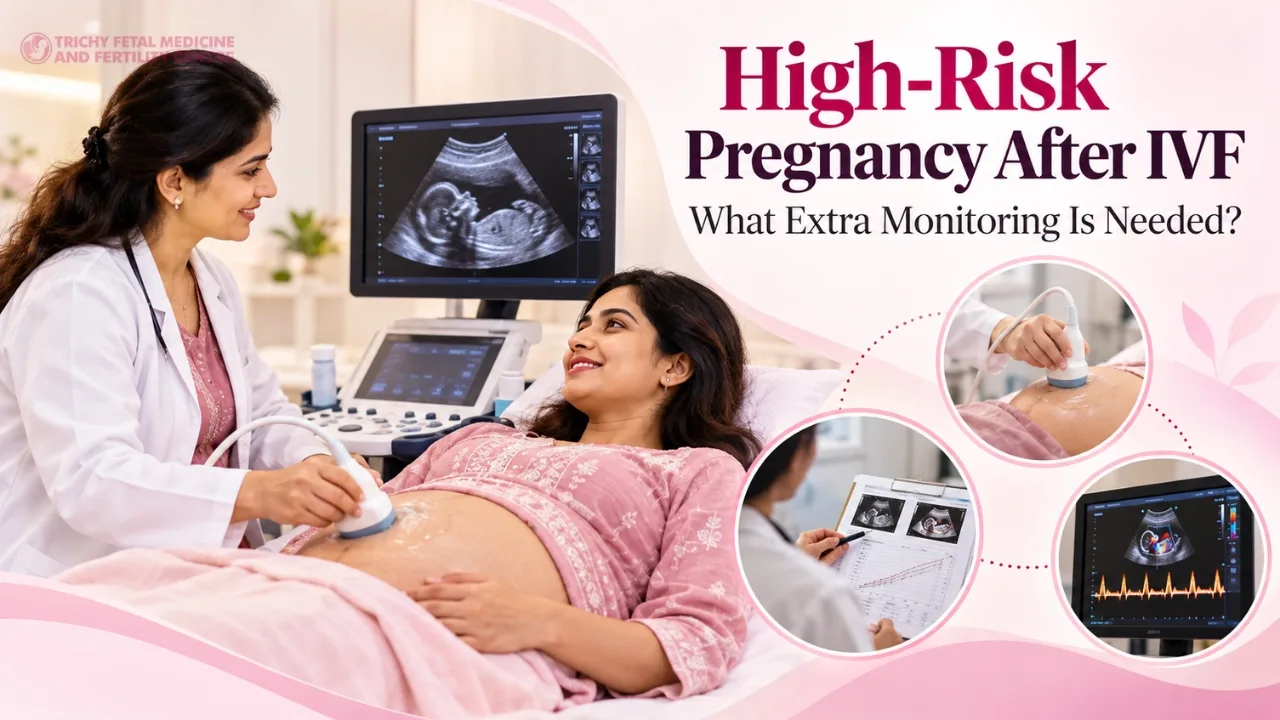
Pregnancy After IVF: What Extra Monitoring Is Needed?
IVF pregnancies often need closer monitoring. Learn why, which scans and tests are recommended, how twin and older-age risks are managed, and when to seek help.
Pregnancies conceived through IVF are usually healthy, but they can carry some higher risks than naturally conceived pregnancies. These are often linked to maternal age, the underlying cause of infertility or multiple pregnancy, rather than IVF itself. Extra monitoring helps detect problems early.
Why might IVF pregnancies need more monitoring?
Many IVF mothers are older, which raises some pregnancy risks
Conditions causing infertility, such as PCOS or endometriosis, can affect pregnancy
Multiple embryo transfer increases twin pregnancies
Some studies show slightly higher rates of placental problems and certain birth defects
Frozen embryo transfer has been linked in some studies with a higher risk of preeclampsia
What early scans are done?
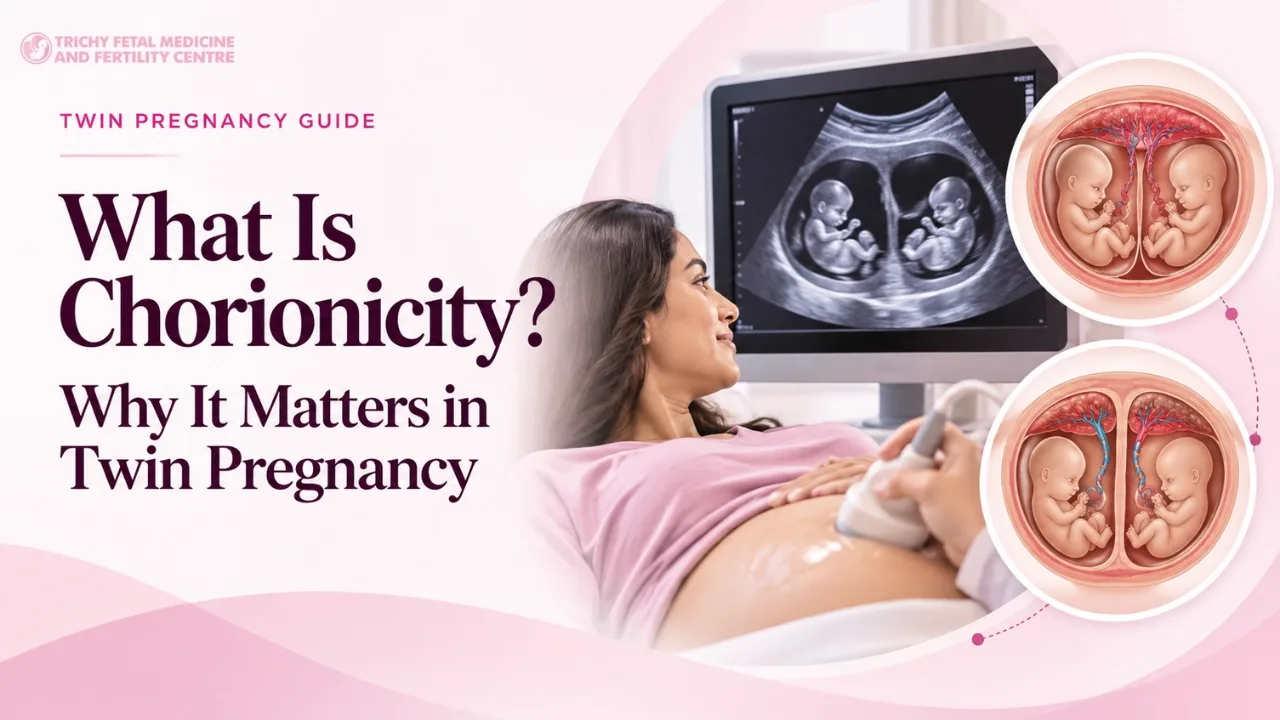
Early scans confirm the pregnancy is in the uterus, check the heartbeat, confirm dating and the number of babies, and assess chorionicity in twins. These scans are important because IVF dates are precise and help interpret later growth.
Which screening tests are recommended?
First-trimester screening
NT scan with blood tests or NIPT to screen for chromosomal conditions. NIPT can be used in IVF pregnancies, but donor eggs or a vanished twin should be shared with the lab.
Preeclampsia screening
Some centres assess preeclampsia risk in the first trimester. Low-dose aspirin may be advised for women at higher risk.
Anomaly scan
A detailed scan at about 18 to 22 weeks checks the baby's organs.
Fetal echocardiography
May be recommended for IVF or ICSI pregnancies, particularly with other risk factors.
What monitoring happens later in pregnancy?
Glucose testing for gestational diabetes
Regular blood pressure and urine checks
Growth scans, especially for twins or if risk factors exist
Doppler studies if growth or blood pressure concerns arise
Cervical length checks in some cases
How are IVF twins monitored?
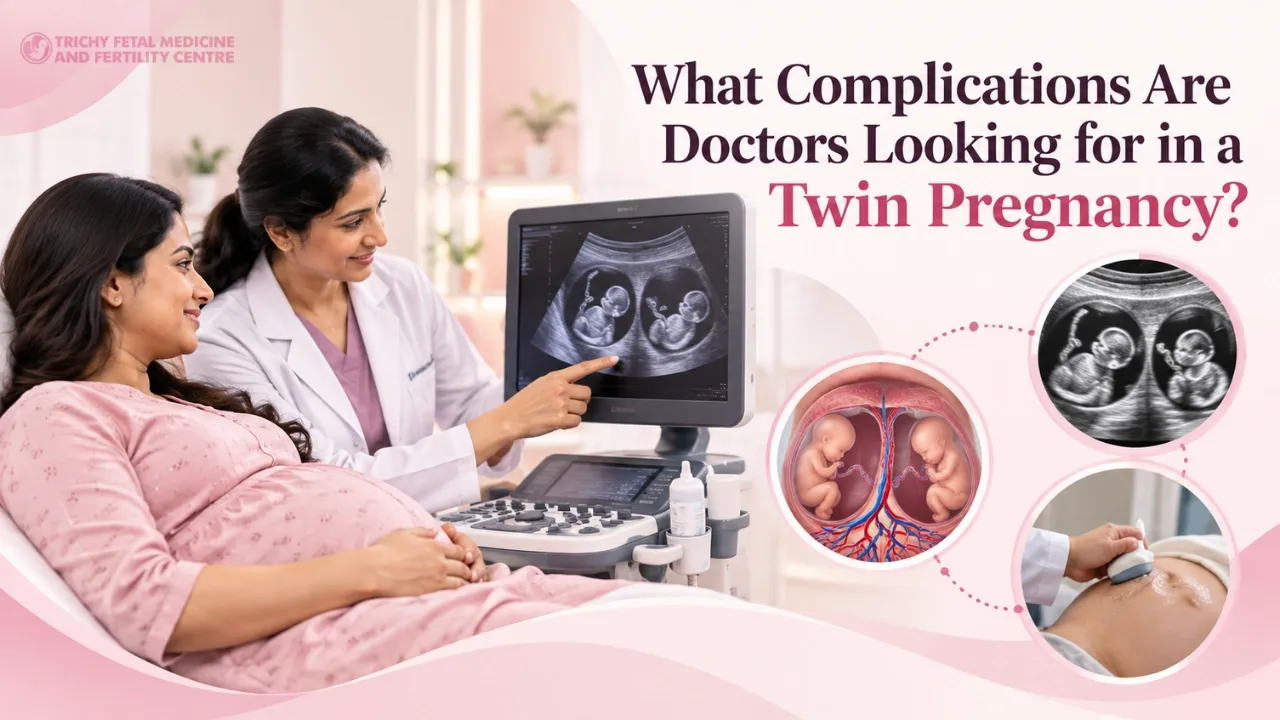
Twins need more frequent scans to monitor growth, fluid and blood flow. Monochorionic twins sharing a placenta need especially close monitoring.
When should you seek urgent help?
Contact your doctor for bleeding, severe abdominal pain, severe headache, vision changes, sudden swelling, leaking fluid, regular contractions before term or reduced baby movements.
The short version
After the hard work of IVF, careful monitoring helps protect your pregnancy. A fetal medicine specialist can tailor scans and tests to your needs. Dr Malathi G. Prasad supports IVF and high-risk pregnancies with fetal medicine care in Trichy.
To arrange this at our Trichy centre, see growth scan with Doppler; if you are unsure whether you need it, our doctors can tell you after a review.