Wondering when an ultrasound can show twins? Learn the earliest weeks, how doctors confirm it, why the first-trimester scan matters and what comes next.
Finding out that you are expecting twins is a big moment. Many couples want to know how early an ultrasound can tell, how sure the doctor can be, and what to do next. Here is a clear guide.
How early can you see twins?
5 to 6 weeks
A transvaginal scan may show two gestational sacs. At this stage, there may not be a visible embryo or heartbeat, so the finding is not final.
6 to 8 weeks
Two embryos with heartbeats can often be seen. This is when many twin pregnancies are first confirmed.
8 to 10 weeks
The chance of seeing two babies is high. The scan can also show whether there are two sacs or one.
11 to 13 weeks
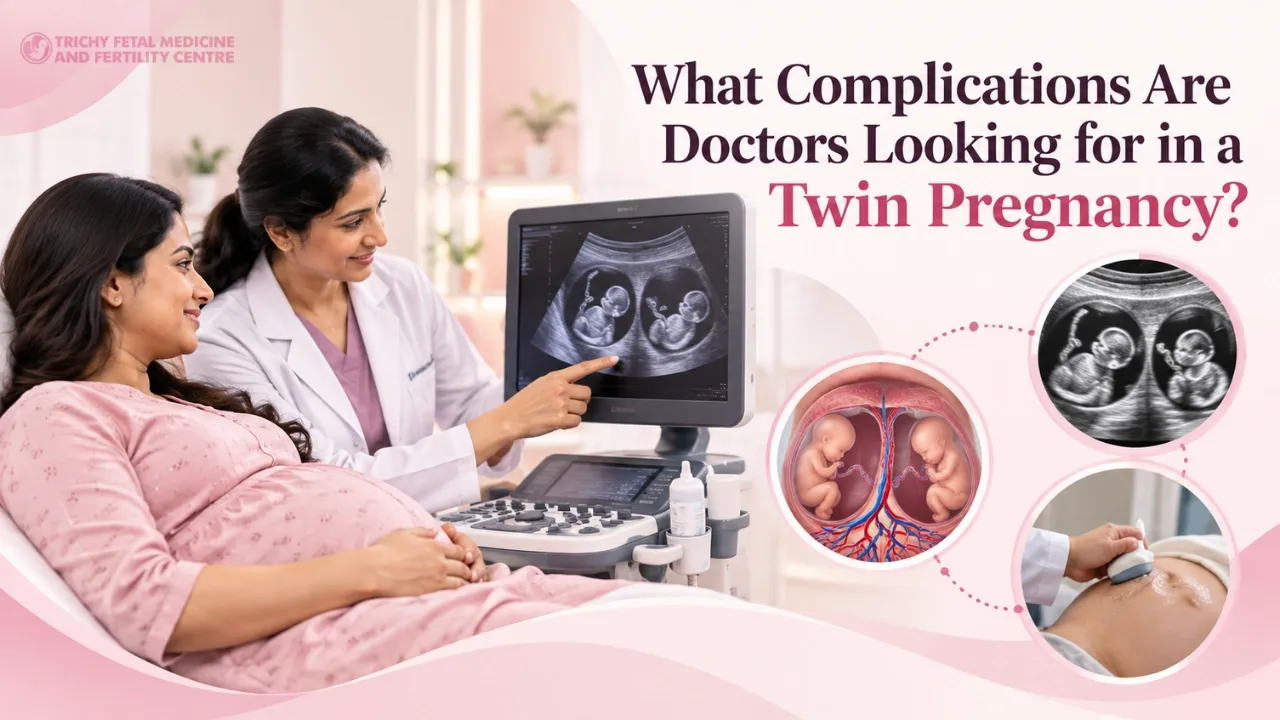
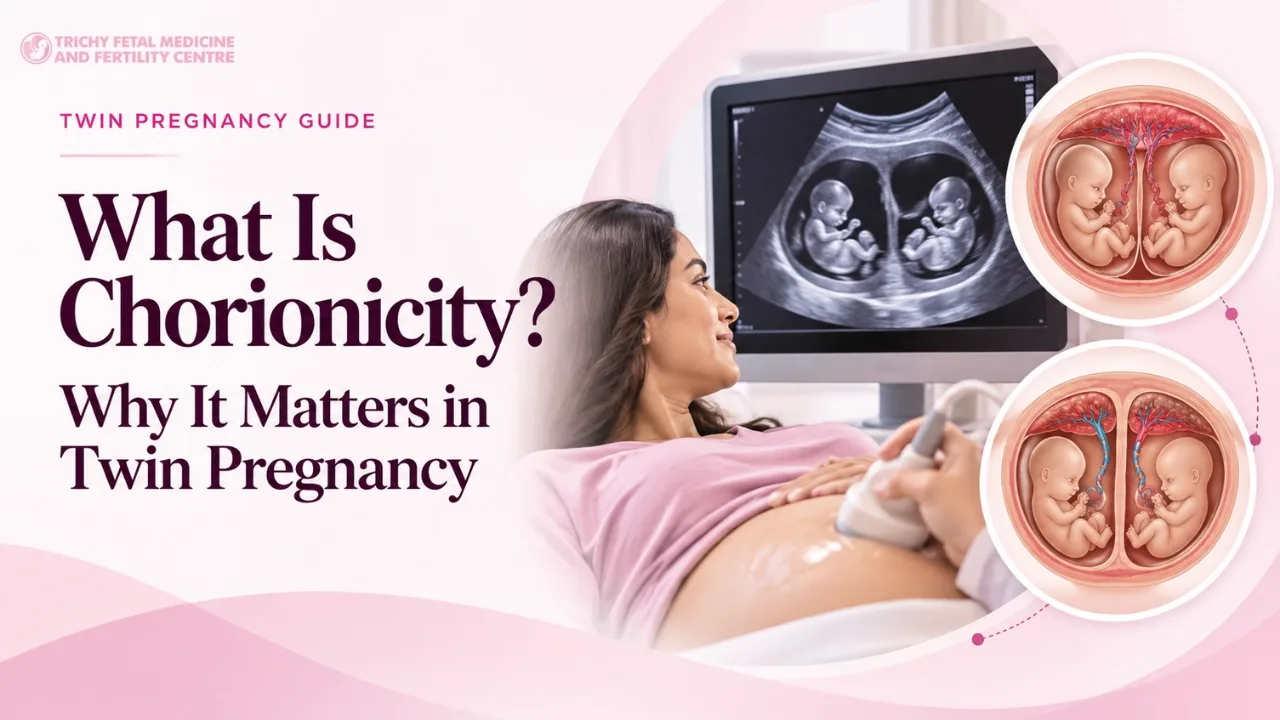
The dating and NT scan confirms how many babies there are, their heartbeat, growth, and chorionicity. This is the best time to determine whether the twins are monochorionic (sharing a placenta) or dichorionic (separate placentas).
Can a twin be missed?
Very early scans may show only one sac, and the second may appear later. Rarely, a twin is missed if the scan is done too soon or if the babies are tucked closely together. A repeat scan at 7 to 9 weeks or at the first-trimester scan clarifies.
What is the "vanishing twin"?
In some pregnancies, one embryo stops developing early and is absorbed. This happens in about 1 in 8 to 1 in 10 twin pregnancies seen at early scans. The remaining baby usually develops normally. If it happens early, it often causes no harm. Mild bleeding may occur.
Why are the first scans so important?
They confirm that the pregnancy is in the uterus.
They show the number of babies and heartbeats.
They help set the due date accurately.
They show chorionicity, which decides the monitoring plan.
They help detect early problems.
What are the signs that suggest twins?
Signs are not proof, but may raise suspicion:
Severe morning sickness
A uterus larger than expected for dates
High pregnancy hormone levels
Rapid weight gain
A family history of twins
Pregnancy after IVF, especially with more than one embryo transferred or ovulation-induction medicines
Being older than 35
Only an ultrasound can confirm twins.
What happens after twins are confirmed?
A scan at 11 to 13 weeks with chorionicity assessment
Early NT screening and, if needed, NIPT
Referral to a fetal medicine specialist, especially if monochorionic
More frequent scans, often every 2 to 4 weeks in the second and third trimesters
Advice on nutrition, supplements and warning signs
When should you see a doctor?
Contact your doctor if you have heavy bleeding, severe abdominal pain, severe vomiting, fainting or a sudden swelling of the abdomen.
What matters most
Early scans give you the answers and the plan. Twins need extra attention, and starting well makes a difference. For expert twin pregnancy care, consult Dr Malathi G. Prasad, a fetal medicine specialist at Trichy Fetal Medicine and Fertility Centre in Trichy.